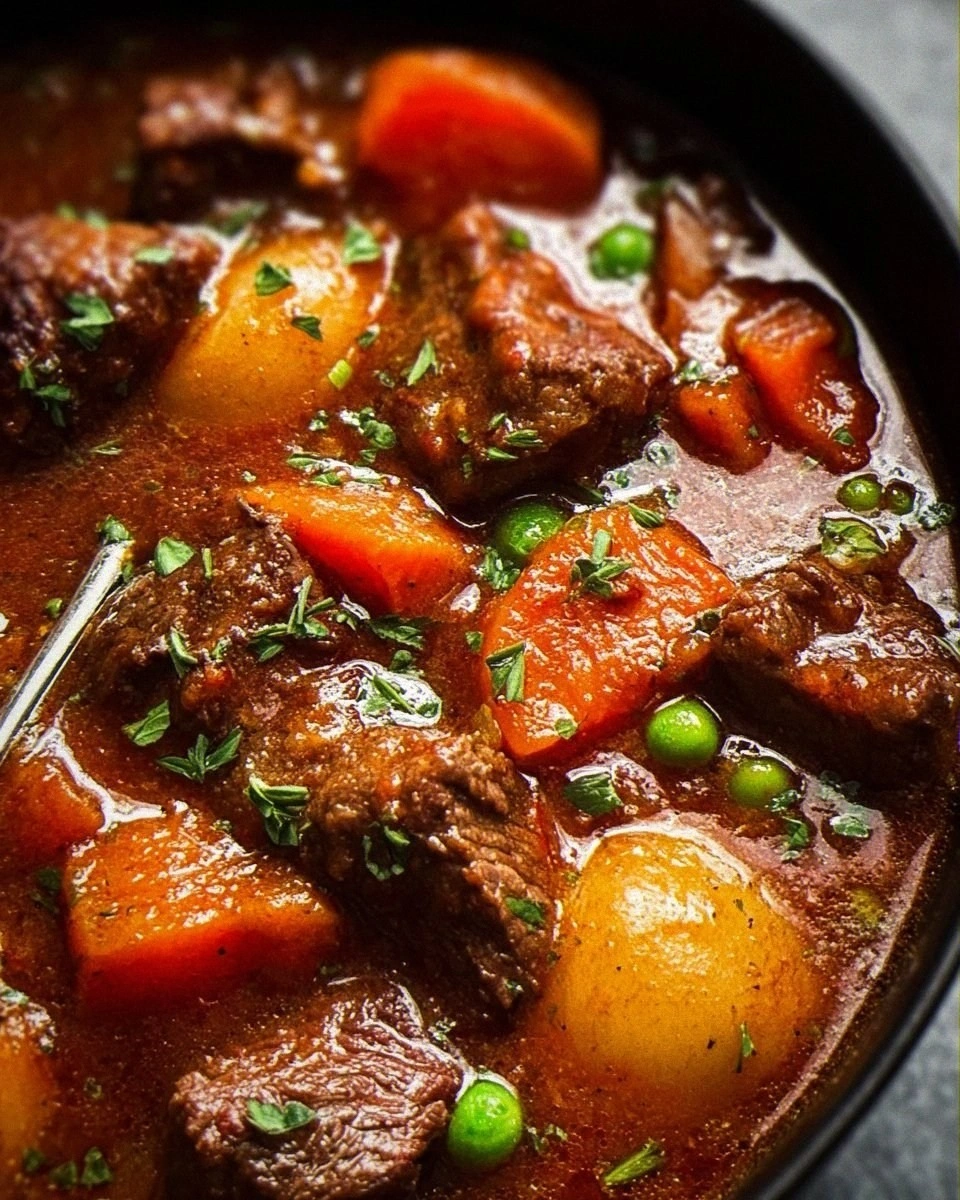
It was a crisp autumn evening, the kind that makes the kitchen feel like the heart of the house. I was standing by the window, watching the leaves drift past, when the scent of cumin and cinnamon drifted from the pot on the stove, wrapping the room in a warm, exotic hug. The moment I lifted the lid, a cloud of fragrant steam rose, swirling gold‑rich aromas of tomatoes, carrots, and sweet dried fruit that seemed to whisper stories of bustling Moroccan souks. I could almost hear the distant chatter of market stalls, the clink of copper pots, and the laughter of friends sharing a communal meal. That's when I realized I had stumbled upon a family favorite that deserved a place on every dinner table.
The magic of this Moroccan Chicken Stew lies not just in its bold flavors, but in the way it brings people together. Imagine a bowl brimming with tender chicken thighs, each bite soaking up a sauce that balances the earthiness of spices with the subtle sweetness of apricules. The stew’s colors—deep ruby, bright orange carrots, and the specks of green parsley—are a feast for the eyes as well as the palate. I remember the first time I served it to my sister; she stared at the pot, eyes widening, and said, “What is that aroma? It feels like a hug you can taste.” Have you ever wondered why restaurant versions taste so different? The secret is in the patience and the love you pour in, not just the ingredients.
But wait—there’s a little trick I discovered in step 4 that transforms this dish from delicious to unforgettable. I’m not going to spill the beans just yet, but trust me, you’ll want to keep reading because it changes the whole texture of the sauce. And there’s one ingredient most people skip—and it makes all the difference. I’ll reveal that gem later, right after we dive into the spices. The anticipation builds, doesn’t it? You’ll see why this recipe has become a staple at my holiday gatherings and why it’s perfect for any night you crave comfort with a twist.
Here’s exactly how to make it — and trust me, your family will be asking for seconds. I’ll walk you through each step, share the science behind the flavor combos, and sprinkle in some pro tips that will make you look like a culinary wizard. Ready to embark on a flavor adventure that will transport you to Marrakesh without leaving your kitchen? Grab your favorite pot, roll up your sleeves, and let’s get cooking.
🌟 Why This Recipe Works
- Flavor Depth: The combination of cumin, cinnamon, and turmeric creates layers of warmth that build as the stew simmers, giving you a depth you just can’t achieve with a single spice. Each spice contributes its own note—cumin’s earthiness, cinnamon’s sweet heat, and turmeric’s subtle earth‑and‑pepper bite—resulting in a symphony of flavors.
- Texture Harmony: Tender chicken thighs melt into the sauce while the carrots retain a slight bite, offering a satisfying contrast. The addition of chickpeas adds a buttery bite, and the dried apricots or raisins bring a burst of chewiness that balances the savory base.
- Ease of Preparation: Despite its exotic flair, the recipe requires only a handful of steps and minimal hands‑on time. You’ll spend most of the cooking time letting the flavors meld, which means you can set a timer and relax.
- Time Efficiency: With a total cooking time of under an hour, this dish fits perfectly into a busy weeknight schedule while still feeling special enough for a weekend feast.
- Versatility: The base is adaptable—you can swap chicken for lamb, or make it vegetarian by omitting the meat and adding more legumes. This flexibility means the recipe can evolve with your pantry and dietary preferences.
- Nutrition Boost: Chickpeas provide protein and fiber, carrots add beta‑carotene, and the spices are packed with antioxidants. You get a balanced meal that’s as wholesome as it is flavorful.
- Crowd‑Pleaser Factor: The aromatic profile and vibrant colors make it a conversation starter at any dinner table. Even picky eaters are drawn in by the sweet‑savory balance and the gentle heat.
🥗 Ingredients Breakdown
The Foundation
Starting with 1.5 lbs of chicken thighs gives you meat that stays juicy even after a long simmer. The dark meat’s natural fat renders into the sauce, enriching it without the need for additional butter. If you can’t find thighs, bone‑in drumsticks work beautifully, adding even more depth from the marrow. When selecting, look for pieces with a deep pink hue and a thin layer of skin—this ensures flavor and moisture.
Aromatics & Spices
The trio of onion, garlic, and carrots forms the aromatic base that builds the stew’s foundation. A large, sweet onion provides a subtle sweetness once it caramelizes, while three cloves of garlic add that unmistakable punch of heat and depth. The carrots, sliced thick, not only contribute a pleasant crunch but also lend a natural sweetness that balances the spices. Speaking of spices, the blend of ground cumin, cinnamon, turmeric, and paprika is the soul of this dish. Cumin brings earthiness, cinnamon introduces a warm sweetness, turmeric adds an earthy bitterness and gorgeous color, and paprika lends a mild smoky note. If you’re feeling adventurous, a pinch of smoked paprika can elevate the flavor even further.
The Secret Weapons
A 14 oz can of crushed tomatoes provides the sauce’s body, delivering a bright acidity that cuts through the richness of the chicken. Pair that with 2 cups of chicken broth, which dilutes the intensity just enough to let each spice shine. The dried apricots or raisins are the hidden gems—tiny pockets of concentrated sweetness that, when re‑hydrated, melt into the stew, creating a subtle caramelized undertone. If you don’t have dried fruit, you can substitute with a handful of chopped dried figs for a deeper, honey‑like flavor.
Finishing Touches
A 15 oz can of chickpeas, drained and rinsed, adds protein and a creamy texture that rounds out each bite. Finally, a 0.25 cup of chopped fresh parsley or cilantro brightens the dish just before serving, adding a fresh, herbaceous pop that lifts the entire pot. For the final flourish, a drizzle of olive oil right before serving adds silkiness and a glossy finish that looks as good as it tastes.
With your ingredients prepped and ready, let's get cooking. Here’s where the fun really begins...

🍳 Step-by>Step Instructions
Heat 2 tablespoons of olive oil in a large, heavy‑bottomed pot over medium heat. When the oil shimmers, add the chicken thighs, skin side down, and sear for 4‑5 minutes until the skin turns a deep golden brown and releases a mouth‑watering aroma. Flip the pieces and brown the other side for another 3 minutes. **Here's the thing:** the browning creates fond on the bottom of the pot, which later becomes the flavor base for the sauce. Once browned, remove the chicken and set aside.
In the same pot, add the chopped onion and a pinch of salt. Sauté for about 5 minutes, stirring occasionally, until the onion becomes translucent and starts to caramelize. The sweet scent will fill your kitchen, reminding you of a bustling market. Add the minced garlic and sliced carrots, cooking for another 2 minutes. **Now, here's where it gets interesting:** you’ll hear a faint sizzle—listen for that, it means the vegetables are releasing their natural sugars.
Now sprinkle in 1 teaspoon ground cumin, 0.5 teaspoon ground cinnamon, 0.5 teaspoon ground turmeric, 1 teaspoon paprika, 0.5 teaspoon salt, and 0.25 teaspoon black pepper. Stir constantly for about 30 seconds, allowing the spices to toast and become fragrant. You’ll notice the pot darkening slightly—this is the aroma building stage. **But that's not all:** the spices will coat the vegetables, ensuring every bite is evenly seasoned.
Return the browned chicken to the pot, nestling it among the vegetables. Pour in the 14 oz crushed tomatoes and 2 cups chicken broth, scraping the bottom to dissolve any stuck‑on bits. Add the dried apricots or raisins now, letting them soak in the hot liquid. Bring the mixture to a gentle boil, then reduce the heat to a low simmer. Cover the pot and let it cook for 20 minutes. **Here's the secret:** the slow simmer allows the chicken to absorb the spice‑laden broth, becoming melt‑in‑your‑mouth tender.
After 20 minutes, add the drained chickpeas and give the stew a gentle stir. Let it continue to simmer, uncovered, for another 5‑7 minutes. You’ll see the sauce thickening and the colors deepening—this is when the flavors truly meld. **Trust me on this one:** the chickpeas should be heated through but retain their shape; over‑cooking will make them mushy.
Taste the stew and adjust seasoning if needed—perhaps a pinch more salt or a dash of paprika for extra warmth. This is the perfect moment to add a splash of olive oil for shine. Sprinkle the chopped parsley or cilantro over the top, letting the fresh green specks contrast with the ruby sauce. The herb’s bright, citrusy notes will lift the dish, giving it that final wow factor.
Turn off the heat and let the stew rest for 5 minutes. This short rest lets the sauce settle and the flavors integrate even further. **And the result?** When you ladle the stew into bowls, you’ll see a beautiful swirl of sauce, tender chicken, and vibrant veggies, all crowned with a sprinkle of herbs.
Serve the stew hot, accompanied by fluffy couscous, warm flatbread, or a simple bowl of rice. The choice is yours, but I recommend a side that can soak up the sauce—nothing beats that spoonful of sauce clinging to a piece of bread. Go ahead, take a taste — you’ll know exactly when it’s right. And there you have it! But before you dig in, let me share some tips that will take this from great to absolutely unforgettable...
🔐 Expert Tips for Perfect Results
The Taste Test Trick
Before you finish cooking, remove a spoonful of sauce and let it cool for a few seconds. Then, sip it—if you can detect a hint of sweetness from the dried fruit and a balanced heat from the spices, you’re golden. If the flavor feels flat, a splash of lemon juice can brighten everything. I once served this stew to a chef friend; he said the balance was “spot‑on” after I added a squeeze of lemon right before plating.
Why Resting Time Matters More Than You ThinkWhy Resting Time Matters More Than You Think
Allowing the stew to rest for 5‑10 minutes after cooking lets the spices settle, preventing them from tasting harsh. This short pause also lets the sauce thicken naturally, so you won't need to reduce it further. I used to rush straight to the table and missed this step; the difference is like night and day—rested stew feels richer and more cohesive.
The Seasoning Secret Pros Won't Tell You
Season in layers—first with the initial salt when sautéing onions, then a pinch after adding the tomatoes, and a final adjustment before serving. This technique ensures every component is seasoned, not just the liquid. I once tried a “all at once” approach and the stew tasted bland in spots. Trust the process, and you’ll avoid that pitfall.
Choosing the Right Pot
A heavy‑bottomed Dutch oven or a cast‑like pot distributes heat evenly, preventing hotspots that can scorch the sauce. If you use a thin pot, you’ll need to stir more frequently, which can break down the chicken. I swear by my 5‑quart cast‑iron pot for this recipe; it retains heat beautifully and keeps the stew warm for longer after cooking.
How to Make It Even More Fragrant
Add a handful of fresh cilantro stems (the part you usually discard) during the simmer. The stems contain essential oils that intensify the herb’s aroma without overpowering the dish. When you garnish, use only the leaves for a fresh pop. I discovered this trick after a trip to a Moroccan kitchen where the chef always kept the stems in the pot.
🌈 Delicious Variless to Try
One of my favorite things about this recipe is how versatile it is. Here are some twists I've tried and loved:
Moroccan‑Inspired Lamb Stew
Swap the chicken thighs for 1.5 lbs of lamb shoulder, cut into chunks. Lamb’s richer flavor pairs beautifully with the sweet dried fruit and warm spices, creating a heartier version perfect for winter evenings. The cooking time remains the same; just be sure to brown the lamb well for that deep, caramelized crust.
Vegetarian Chickpea‑Only Version
Omit the chicken and double the chickpeas, adding a cup of diced sweet potatoes for extra body. Use vegetable broth instead of chicken broth, and the stew becomes a satisfying plant‑centric meal. The spices still shine, and the texture of the sweet potatoes adds a creamy contrast.
Spicy Harissa Kick
Stir in a tablespoon of harissa paste during the last 10 minutes of simmering. The paste brings a smoky heat that elevates the dish without overwhelming the subtle sweetness of the dried fruit. If you love heat, finish with a drizzle of extra‑virgin olive oil infused with chili flakes.
Coconut‑Infused Twist
Replace half of the chicken broth with coconut milk for a creamy, tropical nuance. The coconut’s subtle sweetness complements the apricots, while the spices remain front and center. This version pairs wonderfully with jasmine rice.
Moroccan‑Style Couscous Bowl
Serve the stew over fluffy couscous tossed with toasted almonds, raisins, and a sprinkle of cinnamon. The cousc—cousc—acts as a neutral base that soaks up every drop of sauce, turning each bite into a delightful spoonful of comfort. I love adding a dollop of yogurt on top for a cool contrast.
📦 Storage & Reheating Tips
Refrigerator Storage
Allow the stew to cool to room temperature before transferring it to an airtight container. It will keep for up to 4 days in the fridge. When reheating, add a splash of chicken broth or water to revive the sauce’s consistency, then gently warm over low heat, stirring occasionally.
Freezing Instructions
Portion the stew into freezer‑safe bags or containers, leaving a little headspace for expansion. It freezes beautifully for up to 3 months. To thaw, move it to the refrigerator overnight, then reheat in a pot over medium heat, adding a bit more broth if the sauce looks thick.
Reheating Methods
For the best texture, reheat on the stovetop rather than in the microwave. The gentle heat prevents the chicken from drying out and keeps the vegetables from turning mushy. If you’re in a hurry, cover the pot and heat on low, stirring every few minutes until the stew is steaming hot throughout.