

There’s a particular kind of magic that happens when you pull a heavy, lidded pot off the stove on a chilly evening and a cloud of fragrant steam rushes toward you, carrying the scent of caramelized onions, earthy carrots, and a whisper of red wine. I still remember the first time my grandmother taught me her beef stew recipe: the kitchen was filled with the sound of a wooden spoon clinking against the pot, the gentle hiss of simmering broth, and the occasional pop of a bay leaf releasing its perfume. The stew was more than just a meal; it was a warm blanket for the soul, a story told in layers of flavor that seemed to get richer with each passing minute. As the stew cooked, the house seemed to settle into a cozy hush, the kind of hush that only a simmering pot can create, and I knew I was witnessing a culinary tradition that had been passed down through generations.
Fast forward to today, and I find myself recreating that same comforting bowl for my own family, tweaking it just enough to make it my own while staying true to the heart of the original. The secret? It’s all in the balance of robust beef, the subtle acidity of tomato paste, and the deep, mellow notes that a good dry red wine can bring. When the stew finally reaches that perfect, velvety consistency—where the broth clings lovingly to each bite of potato and carrot—you’ll understand why this dish has become a staple in my home. But wait, there’s a hidden trick in step 4 that will turn an ordinary stew into a restaurant‑quality masterpiece, and I can’t wait to share it with you.
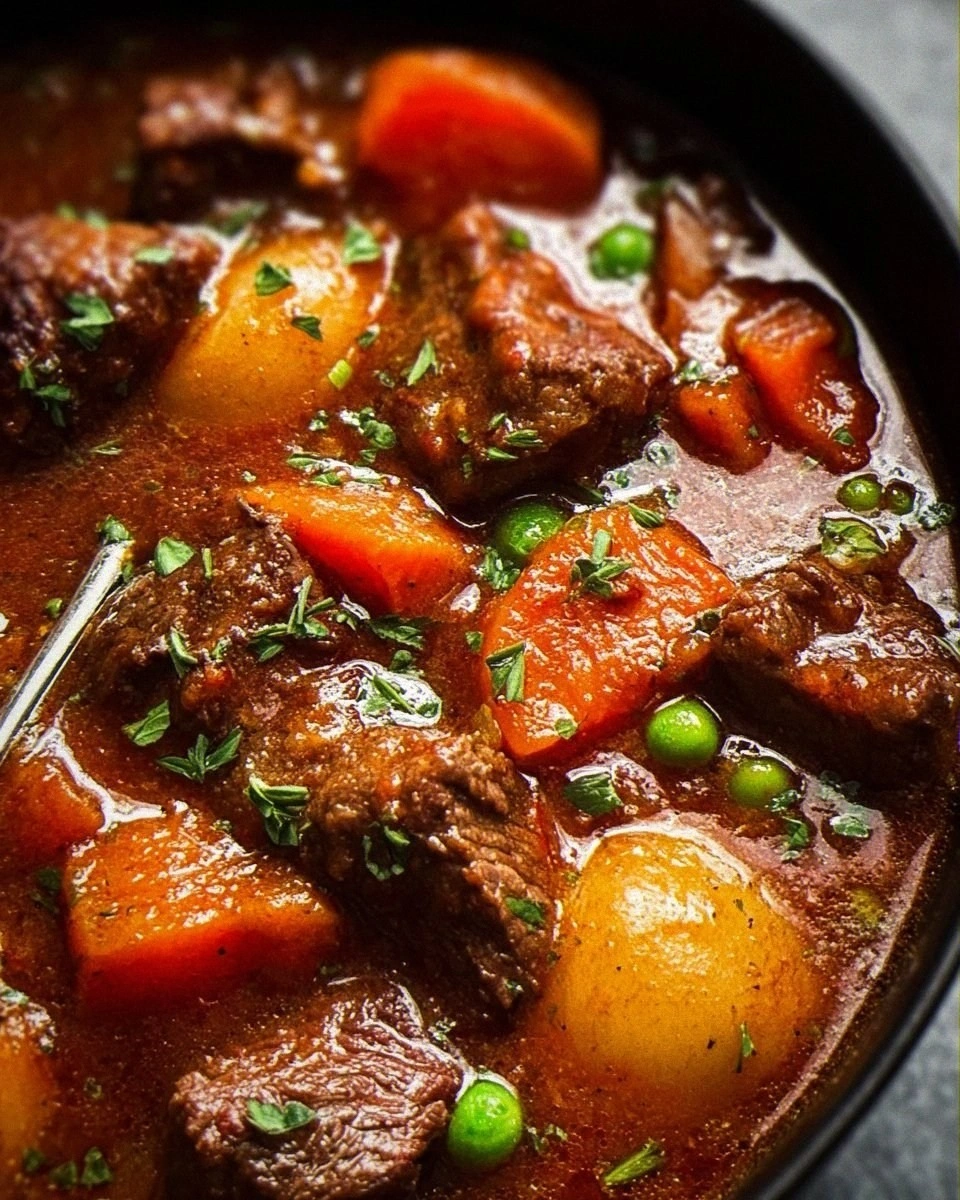
Imagine the scene: a rustic wooden table, a steaming bowl of beef stew in the center, steam curling upward like a promise of comfort, and the sound of laughter around you as your family digs in. The stew’s deep amber color glistens under the soft kitchen light, and the aroma alone makes your mouth water before the first spoonful even touches your lips. This isn’t just food; it’s an experience, a memory in the making, and it’s waiting for you to bring it to life in your own kitchen. The best part? It’s surprisingly simple to assemble, yet the depth of flavor will make you feel like you’ve spent hours mastering a complex technique.
Ready to dive in? Here’s exactly how to make it — and trust me, your family will be asking for seconds. Grab your favorite pot, line up the ingredients, and let’s embark on a culinary journey that will fill your home with warmth, aroma, and a sense of accomplishment that only a perfectly executed beef stew can deliver. And remember, the secret tip coming up later will change the way you think about stews forever.
🌟 Why This Recipe Works
- Flavor Depth: The combination of beef chuck, tomato paste, and red wine creates layers of savory, sweet, and acidic notes that develop over a long, slow simmer, resulting in a broth that feels both hearty and nuanced.
- Texture Harmony: Dredging the beef in flour before browning gives each piece a slight crust that locks in juices, while the potatoes and carrots become melt‑in‑your‑mouth tender without disintegrating.
- Ease of Execution: Despite the impressive flavor profile, the steps are straightforward—mostly one‑pot cooking, which means fewer dishes and less cleanup after a busy weeknight.
- Time Flexibility: You can start this stew early in the day and let it gently simmer while you go about your errands; the longer it cooks, the more the flavors meld, making it perfect for both rushed evenings and leisurely weekends.
- Versatility: The base is a blank canvas—add mushrooms for earthiness, swap carrots for parsnips for a sweet twist, or finish with a splash of balsamic for a tangy lift.
- Nutrition Boost: Lean beef provides high‑quality protein, while the vegetables add fiber, vitamins, and antioxidants, making this a balanced meal that satisfies both body and palate.
- Ingredient Quality: Using fresh, high‑grade beef and seasonal vegetables ensures each bite bursts with natural flavor, reducing the need for excessive seasoning.
- Crowd‑Pleasing Factor: The comforting aroma and familiar taste make it a hit with kids, picky eaters, and even the most discerning foodies at the table.
🥗 Ingredients Breakdown
The Foundation: Beef & Flour
The star of this stew is the 2 pounds of cubed beef chuck, a cut that’s perfect for slow cooking because it contains just enough connective tissue to break down into gelatin, giving the broth a silky mouthfeel. When you coat the beef cubes in flour before browning, you’re creating a light crust that not only adds a subtle nutty flavor but also helps thicken the stew as the flour dissolves into the simmering liquid. If you can’t find chuck, a well‑marbled stew meat or even a mix of short rib and chuck will work beautifully, though the cooking time might need a slight adjustment to ensure tenderness.
Aromatics & Spices: Building the Flavor Base
A sturdy aromatic foundation starts with a medium onion, three sticks of celery, and six cloves of garlic—all chopped and minced to release their essential oils. The onion brings sweetness, the celery adds a crisp, herbaceous note, and the garlic contributes that unmistakable depth that makes a stew feel homey. Adding a tablespoon of Worcestershire sauce and a quarter teaspoon of Italian seasoning introduces umami and a hint of herbaceous complexity, while the two bay leaves act like silent conductors, guiding the flavors to meld together harmoniously.
The Secret Weapons: Tomato Paste & Red Wine
A six‑ounce can of tomato paste might seem modest, but it’s a powerhouse of concentrated umami and a touch of acidity that brightens the stew. When you sauté it with the aromatics, it caramelizes slightly, developing a sweet‑savory depth that’s impossible to achieve with fresh tomatoes alone. Pair that with a cup of dry red wine, and you’re adding layers of fruitiness and tannins that cut through the richness of the beef, balancing the overall palate and giving the broth that deep, velvety color we all love.
Finishing Touches: Veggies & Optional Extras
The potatoes and carrots are the heart of any classic stew, providing body and a subtle sweetness that complements the beef. Yukon Gold potatoes hold their shape beautifully while absorbing the broth’s flavor, and the thickly sliced carrots add a pleasant bite and a pop of orange that brightens the dish’s appearance. If you want a burst of freshness at the end, a cup of frozen peas can be stirred in during the last five minutes; they’ll retain a sweet snap that contrasts the slow‑cooked vegetables.
Salt and pepper, added to taste, are the final conductors that bring every element into harmony. Remember, seasoning is a progressive process—taste as you go, especially after the broth has reduced, because the flavors will concentrate and you may need to adjust. With your ingredients prepped and ready, let's get cooking. Here’s where the fun really begins...
🍳 Step-by-Step Instructions
Start by patting the beef cubes dry with paper towels, then season them generously with salt and pepper. Toss the beef in a shallow bowl of flour, shaking off any excess; this thin coating will create a light crust when browned. Heat two tablespoons of olive oil in a large, heavy‑bottomed Dutch oven over medium‑high heat until shimmering, then add the beef in a single layer, making sure not to crowd the pot. Brown the meat on all sides, about 3‑4 minutes per batch, until you see a deep golden‑brown crust and hear a satisfying sizzle—this is the Maillard reaction at work, building flavor foundations.
💡 Pro Tip: If the pot starts to steam instead of sear, remove the meat and let the pot dry out a bit before adding more oil; a dry surface is key to a good crust.Once all the beef is browned, remove it with a slotted spoon and set aside on a plate. In the same pot, add a splash more olive oil if needed, then toss in the chopped onion, celery, and garlic. Sauté for about 5 minutes, stirring occasionally, until the onion becomes translucent and the mixture smells sweet and fragrant—this is when the base of your stew starts to sing. Scrape up any browned bits stuck to the bottom of the pot; those are flavor gold that will enrich the broth.
Now, stir in the tomato paste, letting it cook for 2‑3 minutes while it darkens slightly and melds with the aromatics. The paste will thicken the mixture and add a deep, caramelized sweetness. Next, pour in the cup of dry red wine, deglazing the pan by stirring and loosening any remaining browned bits. Let the wine reduce by half, about 4‑5 minutes, which concentrates its flavor and evaporates the harsh alcohol notes.
⚠️ Common Mistake: Skipping the reduction step can leave the stew tasting overly sharp and alcoholic.Return the browned beef, along with any juices that have collected on the plate, to the pot. Add three cups of beef broth, the tablespoon of Worcestershire sauce, the quarter teaspoon of Italian seasoning, and the two bay leaves. Stir everything together, making sure the flour coating on the beef is fully incorporated into the liquid—this will naturally thicken the stew as it simmers. Bring the mixture to a gentle boil, then reduce the heat to low, covering the pot partially to allow steam to escape while maintaining a steady simmer.
💡 Pro Tip: Letting the stew simmer uncovered for the last 30 minutes concentrates flavors and creates a glossy, thick sauce.After the stew has simmered for about 1 hour, add the peeled and diced Yukon Gold potatoes and the thickly sliced carrots. These vegetables need time to become tender but not to fall apart, so a full hour of simmering is ideal. Stir gently to distribute the vegetables evenly, then cover and continue to simmer for another 45 minutes, or until the beef is fork‑tender and the potatoes are creamy on the inside.
About five minutes before the stew is done, taste the broth and adjust the seasoning with additional salt and pepper if needed. If you’re using frozen peas, stir them in now; they’ll heat through in just a couple of minutes, retaining a bright green color and a sweet snap. Remove the bay leaves—leaving them in can give a bitter edge if forgotten.
To finish, turn off the heat and let the stew rest, uncovered, for 10 minutes. This resting period allows the flavors to settle and the sauce to thicken slightly as the residual heat continues to work. During this time, you’ll notice the aroma intensifying, a sign that the stew is truly ready to be served.
Serve the stew hot, ladling generous portions into deep bowls. Garnish with a sprinkle of fresh parsley or a drizzle of extra‑virgin olive oil for a glossy finish. Pair it with crusty bread to soak up every last drop of the luxurious broth, and watch as your family dives in with delighted smiles. And there you have it! But before you dig in, let me share some tips that will take this from great to absolutely unforgettable...
🔐 Expert Tips for Perfect Results
The Taste Test Trick
Before you finish cooking, pull a small spoonful of the broth and let it cool for a moment. Then, take a bite and notice the balance of salt, acidity, and richness. If the stew feels flat, a splash of balsamic vinegar or a pinch more Worcestershire can awaken the flavors. I once served this stew to a seasoned chef who told me the secret was always “taste, taste, taste”—a simple habit that transforms any dish.
Why Resting Time Matters More Than You Think
Allowing the stew to rest off the heat isn’t just about convenience; it’s a scientific step. The proteins in the beef re‑absorb some of the broth, making each bite juicier, while the starches from the potatoes continue to thicken the sauce. I’ve learned this the hard way after a rushed dinner when the stew felt watery; a ten‑minute rest saved the day.
The Seasoning Secret Pros Won’t Tell You
Season in layers, not all at once. Add a pinch of salt during the browning stage, another pinch after the wine reduction, and a final adjustment at the end. This method ensures that each component is seasoned perfectly, preventing over‑salting and allowing the natural flavors to shine. Trust me on this one: the difference is night and day.
Low‑And‑Slow vs. High‑Heat
While you can speed up the process with a pressure cooker, the low‑and‑slow method on the stovetop yields a richer, more complex flavor profile. The gentle simmer allows connective tissue to break down gradually, releasing gelatin that gives the broth its luxurious mouthfeel. If you’re short on time, you can start the stew in a pressure cooker for 30 minutes, then finish it on the stove to develop that classic depth.
The Power of Fresh Herbs
Fresh parsley, thyme, or even a rosemary sprig added at the very end can brighten the stew, cutting through the richness with a hint of herbaceous freshness. I love sprinkling a handful of chopped flat‑leaf parsley just before serving; it adds a pop of color and a fresh aroma that makes the stew feel lighter.
Storing for Flavor Development
If you have the luxury of time, let the stew sit in the refrigerator overnight. The flavors will meld even further, and the next day you’ll notice a deeper, more cohesive taste. This is why many chefs recommend making stews a day ahead of a big gathering—it’s practically a flavor‑enhancing hack.
🌈 Delicious Variations to Try
One of my favorite things about this recipe is how versatile it is. Here are some twists I've tried and loved:
Mushroom‑Infused Hearty Stew
Add a cup of sliced cremini or shiitake mushrooms when you sauté the aromatics. The mushrooms soak up the broth, contributing an earthy umami that deepens the overall flavor. Expect a richer, forest‑floor vibe that pairs beautifully with a glass of pinot noir.
Spicy Southwest Stew
Swap the Italian seasoning for a teaspoon of smoked paprika and a pinch of cayenne. Add a can of diced tomatoes with green chilies for a subtle heat and a bright, tangy finish. This version is perfect for those who love a little kick in their comfort food.
Root Vegetable Medley
Replace the carrots with parsnips and add a half cup of diced turnips. These root vegetables bring a sweet, nutty flavor that complements the beef beautifully, especially in the colder months when you crave extra warmth.
Red Wine Reduction Finish
After the stew is done, remove a cup of the broth and reduce it in a separate pan with an extra splash of red wine until it becomes a glossy glaze. Drizzle this reduction over the stew just before serving for an intensified wine flavor and a luxurious sheen.
Herb‑Infused Coconut Curry Stew
For a global twist, stir in a tablespoon of red curry paste and replace half the beef broth with coconut milk. The result is a fragrant, slightly sweet stew with a silky texture that transports you to a tropical kitchen.
📦 Storage & Reheating Tips
Refrigerator Storage
Allow the stew to cool to room temperature (no more than two hours), then transfer it to an airtight container. It will keep safely for up to four days, and the flavors will continue to develop as it sits. When reheating, add a splash of beef broth or water to restore the original consistency.
Freezing Instructions
Portion the stew into freezer‑safe bags or containers, leaving about an inch of headspace for expansion. It freezes beautifully for up to three months. To thaw, move it to the refrigerator overnight, then reheat gently on the stovetop over low heat, stirring occasionally.
Reheating Methods
The trick to reheating without drying it out? A splash of water, broth, or even a drizzle of olive oil added at the start of reheating. Warm the stew over medium‑low heat, stirring until it reaches a gentle simmer, and you’ll have the same velvety texture as the first serving.


