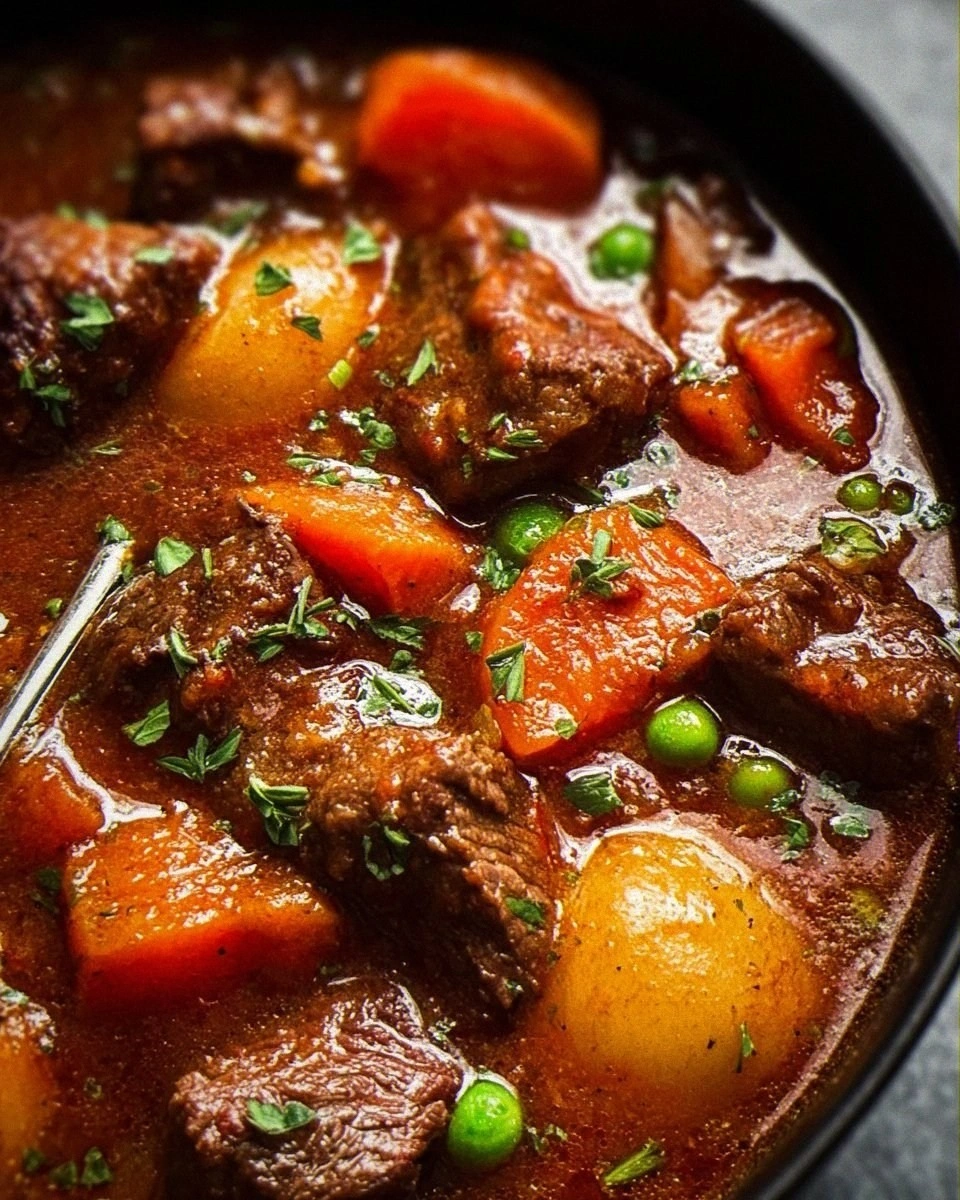
It was a chilly Saturday evening in November, the kind of night when the wind whistles through the trees and the kitchen becomes the warmest place in the house. I remember pulling a pot from the cupboard, the metal clinking against the countertop, and inhaling the faint scent of dried herbs that seemed to whisper promises of comfort. As the rain pattered against the window, I began chopping garlic, its sharp aroma instantly filling the room like an invitation to something deliciously indulgent. That first bite of the broth, when it finally hit the spoon, was a silky wave of garlic, cream, and umami that made my heart skip a beat – I knew I had stumbled upon a new family favorite. Have you ever felt that instant connection with a dish, as if it were made just for you? That’s exactly the feeling you’ll get with this Creamy Garlic Chicken Ramen, and I’m thrilled to share every detail with you.
The beauty of this recipe lies in its simplicity paired with a depth of flavor that feels like it took hours of careful simmering. Imagine tender chicken breast pieces, each coated in a golden crust, swimming in a broth that’s rich enough to coat the back of a spoon yet light enough to let the ramen noodles glide effortlessly. The garlic is not just a background note; it’s the star that sings in every slurp, while the heavy cream adds a luxurious mouthfeel that makes you want to linger over each bite. As you stir, the steam rises in a fragrant cloud, and you can almost see the tiny bubbles dancing, promising that the next spoonful will be even more satisfying than the last. But wait – there’s a secret technique in step four that will elevate the broth from good to unforgettable, and I’ll reveal it just a little later.
What makes this dish truly special is how it bridges the gap between a quick weeknight dinner and a comforting bowl you’d expect from a high‑end ramen shop. The ingredients are pantry‑friendly, the cooking time is under an hour, and the result is a bowl that looks as impressive as it tastes. Your family will be drawn in by the aroma, your friends will marvel at the creamy texture, and you’ll feel a warm sense of pride as you serve up something that feels both familiar and extraordinary. The best part? You can tweak it to suit any palate – from adding a splash of sriracha for heat to swapping sesame oil for a nutty twist. Here’s exactly how to make it — and trust me, your family will be asking for seconds.
🌟 Why This Recipe Works
- Flavor Depth: The combination of garlic, soy sauce, and chicken broth creates a layered umami base that feels both rich and balanced, ensuring every bite is packed with savory goodness.
- Creamy Texture: Heavy cream emulsifies with the broth, delivering a silky mouthfeel that coats the noodles and chicken without feeling heavy or greasy.
- Quick & Easy: All the components come together in under 45 minutes, making it perfect for busy weeknights while still feeling like a special treat.
- Versatile Base: You can swap ramen types, adjust the protein, or add veggies, allowing the dish to adapt to seasonal produce or dietary preferences.
- Nutrition Boost: Chicken provides lean protein, while the broth and garlic contribute antioxidants, making the dish both comforting and nourishing.
- Crowd‑Pleaser: The creamy, garlicky profile appeals to both kids and adults, turning a simple dinner into a memorable family experience.
- Ingredient Quality: Using fresh garlic cloves and high‑quality chicken breast ensures the flavors shine through without needing excessive seasoning.
- Restaurant‑Style Finish: The final garnish of chives adds a fresh pop of color and a subtle oniony bite, mimicking the finishing touches you’d see in a ramen bar.
🥗 Ingredients Breakdown
The Foundation
First and foremost, the chicken breasts are the heart of this dish. Choosing boneless, skinless breasts ensures quick cooking and even texture, while still delivering that lean protein punch we all love. If you prefer a richer flavor, you can opt for bone‑in pieces, but be prepared for a slightly longer cooking time. The key is to slice the chicken into uniform bite‑size strips so they cook evenly and stay juicy. Trust me, a well‑seared piece of chicken is the difference between a good bowl and a great one.
Aromatics & Spices
Garlic cloves are the aromatic hero here, and the amount you use can dramatically affect the final taste. Freshly minced garlic releases allicin, a compound that adds a pungent, slightly sweet heat that mellows beautifully as it cooks. If you’re a garlic lover, feel free to add an extra clove – the broth will thank you. A pinch of salt and freshly cracked black pepper rounds out the seasoning, but remember that soy sauce also brings saltiness, so taste as you go. Olive oil or sesame oil serves as the cooking medium, each bringing its own subtle nuance; sesame oil adds an Asian‑inspired nuttiness, while olive oil offers a cleaner, more neutral base.
The Secret Weapons
Heavy cream is the secret weapon that transforms a standard broth into a luxurious, velvety soup. Its fat content binds the flavors together, creating that glossy finish you see in high‑end ramen bowls. If you’re watching calories, you can substitute half‑and‑half, but you’ll lose some of that decadent silkiness. Chicken broth, preferably low‑sodium, provides the savory backbone, and a splash of soy sauce adds depth and a hint of umami that balances the cream’s richness. The combination of these liquids creates a harmonious dance of flavors that’s both comforting and sophisticated.
Finishing Touches
The final garnish of chopped chives or green onions adds a burst of freshness and a pop of color that brightens the bowl. Their mild onion flavor cuts through the richness, ensuring each spoonful feels balanced. For an extra crunch, consider adding a handful of toasted sesame seeds or a drizzle of chili oil – but that’s optional and can be added at the table. Selecting fresh, vibrant chives ensures they retain their crispness and don’t wilt too quickly in the hot broth. A beautiful garnish not only pleases the palate but also makes the dish Instagram‑ready.
With your ingredients prepped and ready, let's get cooking. Here's where the fun really begins…

🍳 Step-by-Step Instructions
Start by heating 2 tablespoons of olive oil (or sesame oil for a nuttier flavor) in a large, heavy‑bottomed pot over medium‑high heat. Once the oil shimmers, add the chicken breast strips, spreading them out so they’re not crowded. Let them sear without moving for about 2‑3 minutes, until the underside turns a deep golden brown and you can hear a satisfying sizzle. Then flip the pieces and cook for another 2 minutes, just until the other side is nicely browned. The goal is to develop a caramelized crust that locks in juices and adds a subtle depth to the broth.
Now, add the minced garlic cloves to the pot, stirring quickly to coat the chicken. You’ll notice the garlic releasing its fragrant aroma, filling the kitchen with an intoxicating scent that makes your mouth water. Cook the garlic for about 30 seconds, just until it turns a light golden hue – be careful not to let it burn, as burnt garlic can introduce a bitter note that ruins the delicate balance of the broth. This brief toast is the secret trick that adds a layer of complexity to the final soup.
Next, pour in 4 cups of low‑sodium chicken broth, scraping the bottom of the pot to release any browned bits stuck to the surface. These caramelized fragments, known as fond, are flavor gold and will enrich the broth significantly. Add 2 tablespoons of soy sauce, then bring the mixture to a gentle boil, then reduce to a simmer. As the broth begins to bubble, you’ll see steam swirling upward, carrying the scent of garlic, soy, and chicken – a true sensory preview of what’s to come.
While the broth simmers, prepare the ramen noodles according to the package instructions, but stop just before they become fully soft – they should be al dente, as they’ll continue cooking in the broth later. Drain them and set aside, tossing them lightly with a splash of sesame oil to prevent sticking. This step ensures the noodles retain their bite and don’t turn mushy when they finish cooking in the creamy broth.
Stir in 1 cup of heavy cream, letting it swirl into the simmering broth. Watch as the liquid transforms from a clear, golden hue to a luscious, velvety ivory color. The cream should melt completely, creating a glossy surface that reflects the light – a visual cue that the broth is perfectly emulsified. Reduce the heat to low and let the mixture gently simmer for another 5 minutes, allowing the flavors to meld and the sauce to thicken just enough to coat the back of a spoon.
Now, return the cooked ramen noodles to the pot, gently folding them into the creamy broth. The noodles will soak up the sauce, turning each strand a beautiful, creamy shade. Add a pinch of salt and freshly ground black pepper to taste, remembering that the soy sauce already contributes saltiness. Let the bowl sit for a minute or two, allowing the noodles to absorb the flavors fully – this resting period makes every bite more cohesive.
Finally, ladle the soup into bowls, ensuring each serving gets a generous amount of chicken, noodles, and broth. Sprinkle chopped chives or green onions over the top for a fresh, aromatic finish. If you enjoy a bit of heat, drizzle a few drops of chili oil or sprinkle red pepper flakes. Serve immediately, and watch as your family dives in, steam rising and eyes lighting up with anticipation. Go ahead, take a taste — you’ll know exactly when it’s right.
And there you have it! But before you dig in, let me share some tips that will take this from great to absolutely unforgettable…
🔐 Expert Tips for Perfect Results
The Taste Test Trick
Before you add the final splash of heavy cream, pause and taste the broth. This is the moment to adjust seasoning – a pinch more soy sauce for depth, a dash of pepper for brightness, or a tiny squeeze of lime if you crave a subtle acidity. Trust your palate; the best chefs always taste as they go, and this simple habit can make the difference between “good” and “out‑of‑this‑world.”
Why Resting Time Matters More Than You Think
After the noodles have soaked up the broth, let the bowl sit for a minute or two before serving. This short resting period allows the starches in the noodles to release slowly, thickening the sauce naturally and ensuring every spoonful has a consistent, silky texture. I once served the ramen straight from the pot and noticed the broth was a bit thin – a quick rest solved that instantly.
The Seasoning Secret Pros Won’t Tell You
A dash of toasted sesame oil added at the end of cooking adds a fragrant, nutty finish that elevates the entire dish. It’s a subtle layer that you might not notice at first, but once you do, you’ll wonder how you ever cooked without it. The oil’s aroma hits the nose just before the first sip, creating a multi‑sensory experience.
Chicken Prep Mastery
Pat the chicken breasts dry with paper towels before seasoning. Moisture on the surface creates steam, which prevents the meat from developing that coveted golden crust. A dry surface ensures a crisp, caramelized exterior that locks in juices, making each bite tender and flavorful. I learned this the hard way when my first attempt turned out soggy.
Noodle Timing Precision
Cook the ramen noodles just until they’re al dente, then shock them in a bowl of ice water for 30 seconds before adding to the broth. This stops the cooking process and keeps the noodles firm, preventing them from turning mushy as they sit in the hot broth. The quick chill also adds a pleasant textural contrast when they meet the warm soup.
🌈 Delicious Variations to Try
One of my favorite things about this recipe is how versatile it is. Here are some twists I've tried and loved:
Spicy Sriracha Swirl
Add a tablespoon of sriracha to the broth along with a drizzle on top for a gentle heat that complements the creaminess. The chili’s bright red hue also makes the bowl visually striking, perfect for those who love a little kick.
Miso‑Infused Ramen
Stir in a tablespoon of white miso paste during the final simmer. The miso adds a subtle sweetness and deep umami that pairs beautifully with the garlic and cream, creating a more complex flavor profile.
Veggie‑Packed Version
Toss in sliced shiitake mushrooms, baby bok choy, or spinach during the last five minutes of simmering. The vegetables add texture, color, and extra nutrients, turning the dish into a wholesome one‑pot wonder.
Coconut Cream Alternative
Swap half of the heavy cream for coconut milk for a subtle tropical twist. The coconut’s natural sweetness balances the savory broth, and it’s a great dairy‑free option that still feels indulgent.
Sesame‑Crusted Chicken
Before searing, coat the chicken strips in a mixture of toasted sesame seeds and a touch of cornstarch. This creates a crunchy exterior that adds a delightful texture contrast to the silky broth.
Lemon‑Zest Brightness
Finish the soup with a sprinkle of fresh lemon zest just before serving. The citrus lifts the richness, providing a bright, aromatic finish that makes each spoonful feel lighter.
📦 Storage & Reheating Tips
Refrigerator Storage
Allow the ramen to cool to room temperature before transferring it to an airtight container. It will keep well for up to 3 days in the fridge. When storing, keep the noodles and broth separate if possible – this prevents the noodles from soaking up too much liquid and becoming mushy.
Freezing Instructions
For longer storage, portion the cooked chicken and broth (without the noodles) into freezer‑safe bags or containers. Freeze for up to 2 months. When you’re ready to enjoy, thaw overnight in the refrigerator, then reheat gently and add freshly cooked ramen noodles.
Reheating Methods
To reheat, pour the broth and chicken into a saucepan and warm over low heat, stirring occasionally. Add a splash of chicken broth or milk if the sauce looks too thick – this restores the creamy consistency. Once hot, stir in freshly cooked ramen noodles for a quick, satisfying meal. The trick to reheating without drying it out? A splash of broth or cream at the end revives the silkiness.